Peptide Testing: Hplc & Mass Specification Pureness Guide Peak
Peptide Pureness & Quantitation Screening
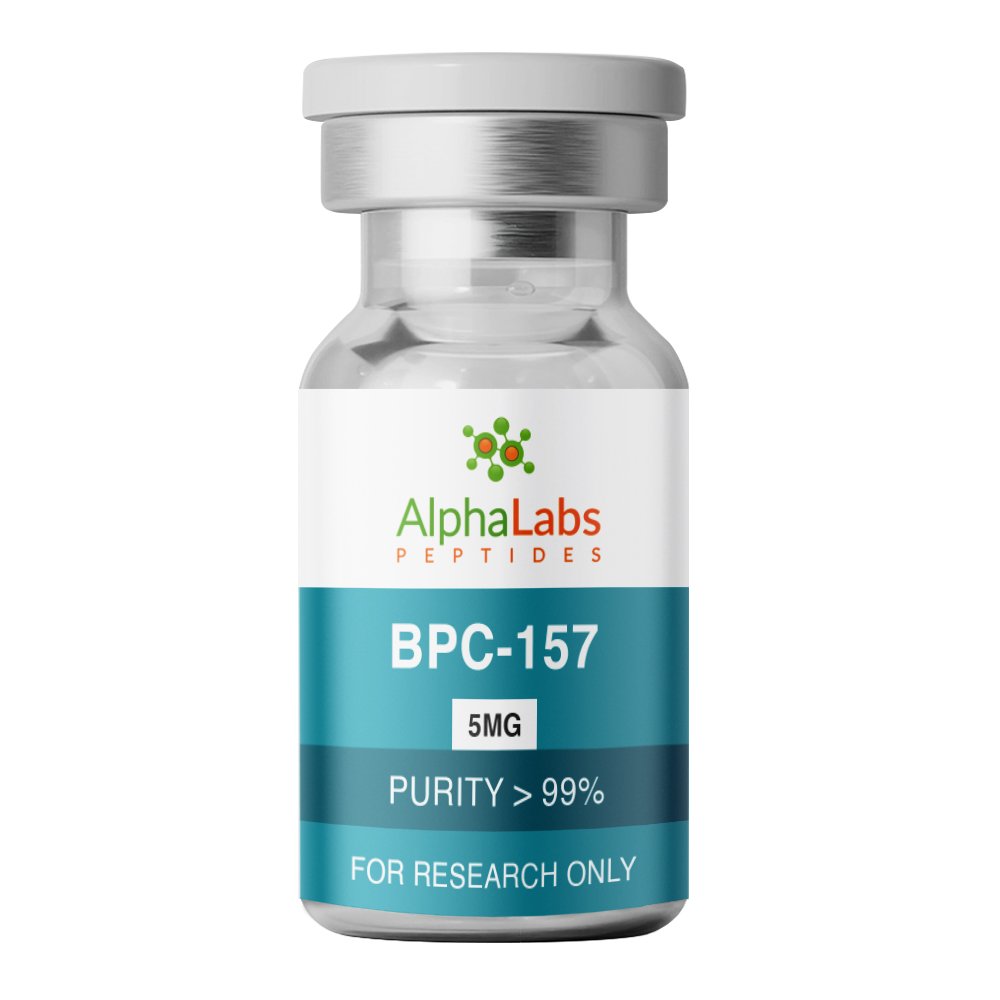
Selecting the best external laboratory for peptide testing involves evaluating numerous factors. A trusted laboratory should have verifiable experience in peptide chemistry evaluation-- as an example, PhD-level chemists or biochemists on personnel that understand peptides' synthesis and degradation paths. Accreditation by appropriate bodies (such as ISO/IEC or accreditation for GLP/GMP compliance) is a solid indication of high quality.
For researchers, acquiring validated peptides isn't just a formality-- it's the structure of reliable experiments and research reproducibility. Poor-quality peptides (those with undiscovered contaminations, inaccurate series, or deteriorated parts) can cause deceptive information and irreproducible outcomes. Actually, proteins and peptides are amongst the most commonly utilized laboratory reagents, yet research studies have revealed that their high quality is often inadequate, causing bad information reproducibility. Starting with proper research laboratory validation is for that reason an essential part of a researcher's quality control workflow.Security Comparisons

Hplc And Mass Spectrometry
They are classified "for research use just" to make clear that they are planned for artificial insemination experiments or pet studies, not for any type of type of human usage. As a matter of fact, a lab offering peptide testing have to provide information meeting the stringent analytical assumptions of companies like https://originsequence.com/ FDA and EMA [4] By using a qualified third-party lab, peptide makers or scientists ensure an objective and expertly recorded assessment of top quality, which is precisely what examiners look for. Furthermore, ongoing independent testing supports conformity in batch release and quality control. Lab validation for peptides indicates using scientific examinations to validate a peptide's identity, purity, and make-up. In technique, this often entails third-party or independent testing by an exterior laboratory to confirm that a peptide item in fact contains what the tag asserts [2]A practical assay measuring downstream signaling-- or a structural research using NMR or X-ray crystallography-- demands the highest possible pureness available. Crystallographers in particular commonly need ≥ 98% pureness because even small contaminants can stop crystal development or introduce disorder into the crystal lattice. As particles exit the column, they pass through a detector-- normally a UV detector set to 214 or 220 nm, wavelengths where the peptide bond takes in light strongly. The detector documents how much UV light is absorbed gradually, producing a chart called a chromatogram. This overview breaks down what purity in fact suggests in peptide chemistry, exactly how it's gauged, what the impurities are, and exactly how to read the paperwork that proves a peptide is what it claims to be.
Notably, this pureness number is generally identified after filtration (e.g. by HPLC) and focuses on peptide pollutants-- it does not count recurring water, salts, or counter-ions in the dried out peptide powder. To put it simply, the pureness percent has to do with the make-up of peptide types in the sample, not the weight payment of water or salts. A peptide could be 98% pure (implying extremely couple of peptide pollutants) yet still include some water or trifluoroacetate salt; those non-peptide parts would certainly be shown in the web peptide content instead of the purity percent. At Creative Peptides, we offer personalized peptide chemical and physical analyses for research study teams that need trustworthy data on peptide identification, pureness, structure, service actions, and example quality. Our solution sustains synthetic, modified, cyclic, conjugated, and tough peptide examples with analytical operations constructed around the actual job question rather than a fixed default panel.Precision Testing For Purity, Strength, And Performance
- Matrix-assisted laser desorption ionization time-of-flight mass spectrometry (MALDI-TOF MS) and electrospray ionization mass spectrometry (ESI MS) are both most typically used approaches.
- If you see several big heights of comparable elevation, you're considering either a low-purity sample or a mix.
- Peptides are examined through a combination of methods, consisting of HPLC for pureness, mass spectrometry (MS) for series verification, and nuclear magnetic vibration (NMR) for structural evaluation.
- Lots of COAs also specify known or "specified impurities" versus unspecified ones, each with their private percents if above a certain threshold.
Ends · ISRAELIKFZ684